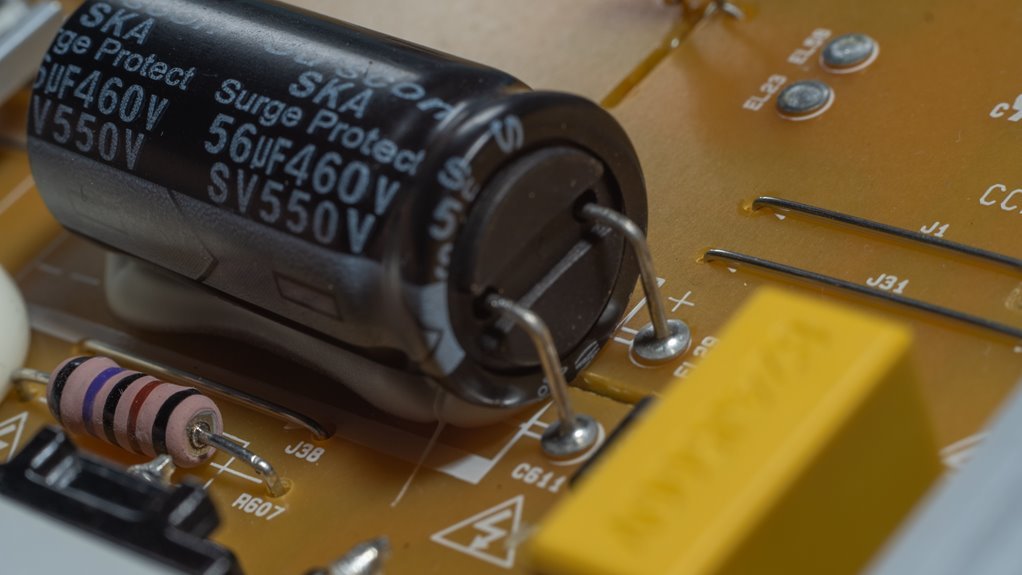
Surge protector ratings are practical guardrails, not guarantees. Joules indicate energy capacity, but higher values don’t ensure universal protection. Clamping voltage sets the ceiling for spikes, and response time matters for sensitive gear. Warranties, certifications, and real-world variables—device sensitivity, circuit impedance, and outlet layout—shape actual performance. Use a disciplined framework to compare specs, then assess your setup. The right choice depends on your use case, and the next steps invite careful consideration before committing.
What Surge Protector Ratings Actually Mean for You
Surge protector ratings translate electrical specifications into practical guarantees for protection and performance. The analysis treats ratings as boundaries: maximum surge capacity, clamping behavior, and response expectations define real-world behavior. This framing supports confident selection while acknowledging limits: two word discussion ideas: surge basics, warranty limits. In practice, users interpret ratings to balance protection needs with device compatibility and warranty considerations.
How to Compare Joules, Clamping Voltage, and Response Time in Practical Terms
Joules, clamping voltage, and response time are the core metrics that translate theoretical protection into practical performance.
Rigorous comparison weighs surge durability and clamping thresholds, recognizing that higher joule ratings imply longer energy handling but not universal protection.
Consider warranty specifics, device sensitivity, and impedance of the circuit; faster response time matters for sensitive equipment, while durability governs long-term reliability.
Choosing a Protector Based on Your Devices and Outlet Setup
When selecting a protector, the key is to align device sensitivity and outlet configuration with the surge device’s specifications and plug layout. A considered pairing minimizes nuisance trips and preserves essential circuits.
The approach emphasizes topic drift ideas and unrelated questions as placeholders for context, ensuring a practical fit across outlets, adapters, and load distribution without compromising surge performance or clarity.
What Warranties and Certifications Tell You About Real Protection
Warranties and certifications provide objective, verifiable signals about a surge protector’s capability and reliability beyond its advertised ratings.
The analysis emphasizes warranty implications, where coverage limits and failure conditions matter more than list values.
Certification caveats warn that test setups may not mirror real use, and some standards address only specific transients.
Real protection hinges on durable construction, proper installation, and honest manufacturer disclosures.
Quick Decision Framework: Pick, Use, and Maintain Your Surge Protector
What practical steps should a user take to select, deploy, and sustain surge protection in everyday equipment setups? A methodical approach delineates idea 1: surge basics, emphasizing coordinated protection, clamping voltage, and response time. Then, idea 2: outlet safety guides plug placement, cord management, and grounding integrity. Implement user-friendly maintenance: periodic testing, replacement after surge events, and documented performance checks for reliable protection.
Frequently Asked Questions
Do Surge Protectors Wear Out Even if Not Used?
Surge protectors do not wear out from mere non-use, though their surge lifespan declines with each event. Protection degradation occurs over time due to capacitor and MOV aging, temperature, and through-life exposure, even when idle and unplugged.
How Often Should I Replace Surge Protectors?
Like a clockwork fuse, replacement timing varies; typically every 3–5 years or per manufacturer guidance. The analysis should include two word discussion ideas, surge longevity, warranty considerations, ensuring safe operation and freedom to select.
Is Energy Rating More Important Than Joule Rating?
Energy rating and joule rating serve different priorities; neither alone suffices. The energy efficiency focus addresses ongoing consumption, while joule rating indicates protection capacity. In practice, energy efficiency and lifespan implications matter for long-term reliability and independent, freedom-oriented device choice.
Can a Protector Protect Multiple Devices at Once?
A surge protector can protect multiple devices at once, provided it offers duplex protection across shared outlets. Statistically, 60% of surges affect multiple outlets. With duplex protection, devices on adjacent sockets share protection and isolation remains controlled.
Do Built-In USB Ports Affect Overall Protection?
Built-in USBs do not enhance high-voltage surge protection; they are downstream conveniences. Overall protection focuses on AC mains, clamping voltage and energy rating. The presence of USB ports does not materially alter overall protection reliability for connected devices.
Conclusion
In practical terms, surge protectors are guard rails, not fail-safes. They deploy toward a fault, not before it, trading energy capacity for reaction speed and clamping discipline. A device’s life hinges on matching its vulnerabilities to a protector’s specs, outlet realities, and real-world usage. Warranties and certifications provide guard rails of trust, yet true resilience rests in regular testing, timely replacement, and thoughtful layout. When aligned, protection becomes a predictable, steady current through the electronics you rely on.