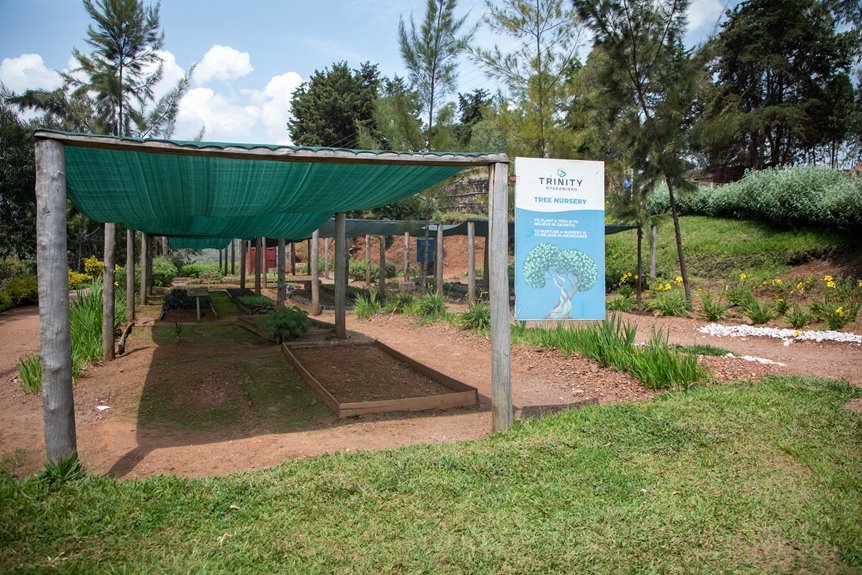
Partial shade requires aligning light, water, and soil practices with plant needs. Assessments of light levels and microclimates guide accurate placement and cultivar choice. Shade-tolerant varieties offer steadier performance under variable sun. Irrigation, soil structure, and root care must stay balanced as shade fluctuates. Timing, spacing, and pruning reduce stress cycles, while airflow and temperature management mitigate microclimate extremes. Strategic shade mapping and ongoing monitoring provide a data-driven path to reliable yield and vigor.
Assessing Shade: Reading Light Levels and Microclimates
Assessing shade begins with measuring light availability and mapping microclimates. The process centers on recording reading light levels across sites, noting intensity, duration, and seasonal shifts. Microclimates are identified through consistent patterns in sun exposure and shade. Data-driven conclusions guide placement, ensuring plants experience appropriate light regimes while tolerating variability. Assessing shade informs practical, freedom-centered cultivation decisions.
Selecting Shade-Tolerant Varieties for Partial Sun
Selecting shade-tolerant varieties for partial sun requires matching species’ light requirements with the site’s actual light availability. Shade tolerant cultivars thrive in dappled or low-intensity light, while partial sunplants tolerate higher exposure without scorching. Assess plant vigor, growth habit, and pruning techniques to maintain spacing and light access. Choose proven performers; document results for ongoing, evidence-based decisions.
Soil, Moisture, and Root Health Under Dappled Light
Under dappled light, soil moisture and root health hinge on balanced irrigation and soil structure; uneven canopy shade can create microclimates that alternate between dry and waning-moisture zones, influencing root demand and microbial activity.
The discussion emphasizes soil texture and precise root watering strategies, ensuring consistent moisture, aeration, and nutrient access while supporting resilient root systems in partial shade environments.
Managing Timing and Placement for Consistent Growth
Timing and placement procedures are essential for stable growth under partial shade, focusing on consistent light exposure, irrigation scheduling, and spatial arrangement to minimize stress cycles.
Clear timing considerations guide staggered watering and timed pruning, while a thoughtful placement strategy reduces doorway drafts and heat spikes.
Empirical adjustments support reliable vigor, with evidence-based monitoring driving iterative refinement for balanced, resilient crops.
Practical Tricks to Maximize Yield and Beauty in Partial Shade
Practical tricks for maximizing yield and beauty in partial shade centers on leveraging light-efficient practices, targeted cultivar choices, and disciplined maintenance routines.
Shade mapping informs placement, prioritizing bright, dappled zones and avoiding deep shade.
Microclimate tricks optimize airflow and temperature, while consistent pruning and fertilization sustain vigor.
Selection of tolerant cultivars ensures blooms and foliage persist with minimal stress and effort.
Frequently Asked Questions
How Do I Measure Actual Light Hours Daily in My Yard?
The person measures actual light by recording sun hours with a light meter or smartphone app, noting hourly intensity. For accuracy, log daylight from sunrise to sunset, average over several days, and compare measurements to plant light requirements.
Which Shade Plants Tolerate Strong Afternoon Sun Best?
Metaphorically, a measured compass—shade sun—guides selection: sun-tolerant plants that endure strong afternoon light include agave, lavender, salvias, santolina, Russian sage, and yucca; they exhibit clear sun tolerance, thriving with adequate moisture and drainage.
Can I Use Artificial Light to Supplement Shade Growing?
Yes, artificial light can supplement shade growing, extending photoperiods and boosting growth, but plants benefit from an appropriate shade garden spectrum; balance intensity and duration to avoid damage and ensure practical, evidence-based results for a freedom-seeking audience.
What Pests Specifically Threaten Partially Shaded Beds?
Pests specifically threaten partially shaded beds, including aphids and thrips, along with slug and snail activity in damp shade. Pests in shade and shade averse pests can exploit low light; monitoring and targeted controls are essential for resilient shade gardens.
How Often Should I Rotate Crops in Partial Shade?
Rotate crops frequently in partial shade, typically every 2–3 seasons, to reduce disease buildup and nutrient depletion; optimize bed layout, consider artificial lighting if needed, and maintain soil moisture management for consistent growth.
Conclusion
In summary, precise shade assessment informs cultivar choice, placement, and irrigation, ensuring plants receive compatible light, water, and soil conditions. By mapping microclimates and selecting shade-tolerant varieties, growers reduce stress and improve consistency. Tight timing, proper spacing, and prudent pruning minimize shock and foster steady growth. With careful root care and airflow management, partial shade becomes a manageable partner rather than an obstacle. It is a gardener’s compass, guiding yields and beauty toward calm, sustainable harvests.