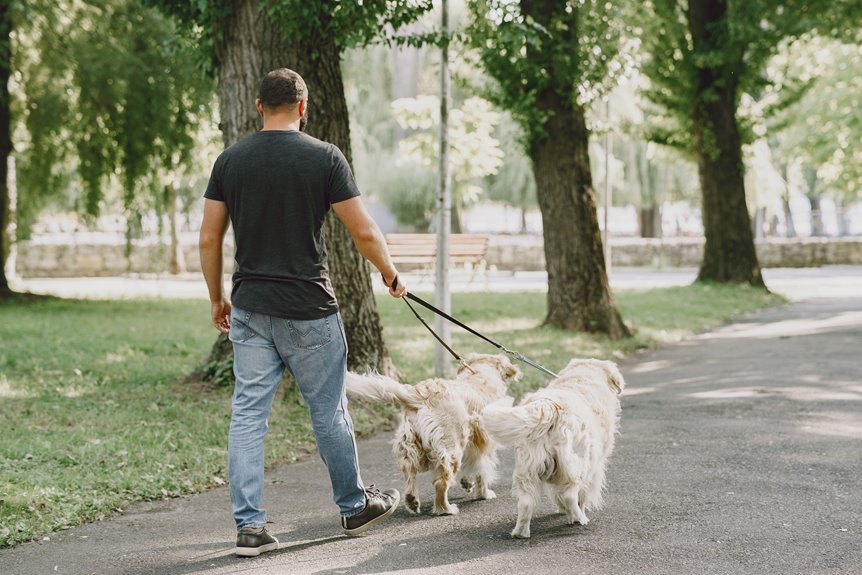
Exercise needs shift with age, balancing energy, safety, and welfare. Pups learn through low-stress play and gradual motor challenges; adults sustain fitness and weight control with varied modalities; seniors prioritize low-impact activity that preserves mobility. Readers should observe cues, pace sessions, and adjust for health signals. Plans should evolve as milestones arrive, combining structure with flexibility and ample rest. The practical questions that follow will help tailor routines to each life stage without compromising welfare.
What Exercise Really Means for Pups, Adults, and Seniors
Exercise serves distinct purposes across the canine lifespan: for puppies, it supports motor development and social learning; for adults, it maintains fitness and weight control; and for seniors, it mitigates stiffness and preserves independence. Practically, consistent, low-stress play enhances pup socialization without overexertion, while gentle, adjustable routines safeguard senior mobility, guiding humane choices that respect autonomy and welfare across ages.
Tailoring Activity by Life Stage: Puppy, Adult, Senior
Tailoring activity by life stage requires a clear, evidence-based approach: puppies, adults, and seniors each benefit from distinct pacing, intensity, and modalities that align with developmental needs, fitness status, and mobility.
Programs emphasize puppy milestones, gradual load progression, and peak socialization, while seniors focus on mobility maintenance, joint care, and low-impact options to preserve independence and welfare.
Reading Your Dog: Quirks, Health, and Safety Signals
Understanding a dog’s quirks, health cues, and safety signals is essential for sound exercise planning, as subtle behavioral and physiological indicators often precede overt distress or injury. Informed observers recognize quirk indicators and safety signals, guiding pace selection, break timing, and risk mitigation. This evidence-based approach supports welfare, freedom to express comfortable activity, and responsive adjustments to individual needs.
Practical Routines: Day-To-Day Plans That Grow With Age
Practical routines for dogs should evolve gradually with age, aligning daily activities with changing energy, mobility, and health status. This section outlines day-to-day plans that adjust as puppies mature, emphasizing structure without rigidity. Evidence supports consistent, welfare-first pacing; integrate short, varied sessions and rest. Include puppy play early on, then transition to age appropriate routines that respect temperament, stamina, and safety.
Troubleshooting Common Ailments and Adjustments by Age
Across the canine lifespan, common ailments and necessary adjustments emerge in predictable patterns tied to age, mobility, and health status; recognizing these patterns supports timely, welfare-first interventions.
In young dogs, focus on preventive conditioning and gradual activity progression to minimize injuries.
For adults, monitor stiffness and soreness, applying calmings strategies and REST; for seniors, prioritize low-impact movement, injury prevention, and accessible daily routines to sustain quality of life.
Frequently Asked Questions
How Much Exercise Is Too Much for a High-Energy Dog?
A high-energy dog may tolerate substantial activity, but “too much” depends on individual signs and welfare. Monitor for fatigue, injury, or irritability. Regular exercise needs adapt with health, age, and breed, ensuring balanced, evidence-based routines.
Can Aging Dogs Regain Stamina With Gradual Conditioning?
Age-related stamina can improve with gradual conditioning, though gains vary; aging dogs may regain endurance through consistent, low-stress activity and progressive load, emphasizing welfare, evidence-based pacing, and practical, freedom-loving choices tailored to individual limits.
How to Balance Mental Stimulation With Physical Activity?
Anecdotally, a beagle’s puzzle toys and daily walks illustrate mindful pacing: mental work paired with gentle physical bursts fosters focus and welfare. Mindful pacing with Balanced routines supports dogs seeking freedom while meeting cognitive and athletic needs.
Do Breed Tendencies Influence Age-Related Exercise Needs?
Breed trends do influence age related needs, with some breeds showing higher exercise baselines or longer recovery. It discusses welfare-focused, evidence-based guidance, noting variability, practical planning, and individual pacing to align with owner freedom and dog health.
When Should I Reduce Walks or Play for Safety?
When safety requires, walks or play should be reduced to prevent fatigue or distress; use a short leash for controlled activity or a quiet leash to minimize overstimulation, ensuring welfare remains central while freedom-conscious owners monitor pace.
Conclusion
As dogs age, exercise should be a gradual, tailored journey guided by observable cues, health, and welfare. From puppies to seniors, routines must evolve, emphasizing safety, rest, and variety to support motor development, weight management, and mobility. By structuring activity with clear signs of fatigue or discomfort—and adapting accordingly—owners foster resilience and enjoyment. In short, exercise is a living protocol, not a rigid schedule, a steady stream that grows with the dog like a well-tended garden.