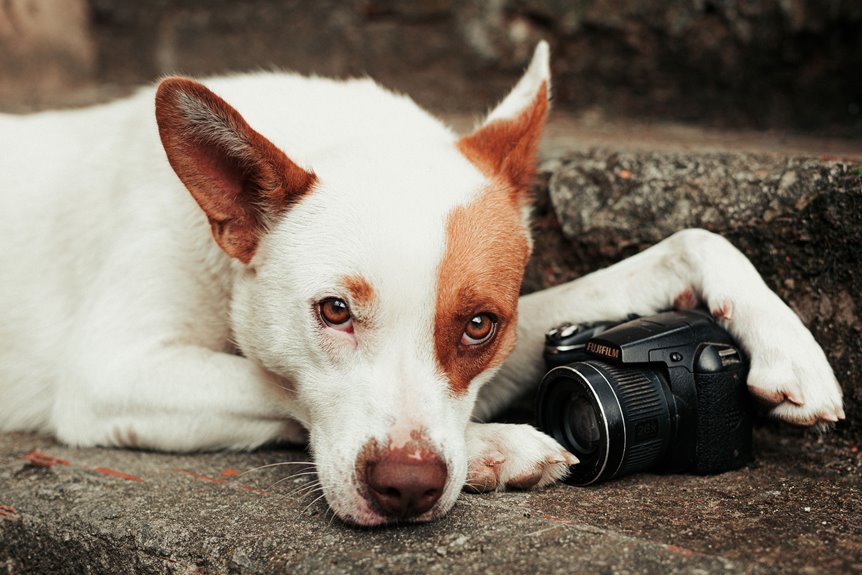
An indoor pet photography guide offers a calm, methodical path to portraits. It emphasizes a safe, distraction-free space, gentle lighting, and simple backdrops that reveal eyes and texture. The approach accepts animal variability and patient timing, guiding the photographer to read cues and wait for trust. The method promises steady exposure and quick, respectful shots, but it also hints at nuanced choices that make each image distinct, inviting further consideration of how setup and timing shape every capture.
How to Set Up a Pet-Friendly Indoor Studio
Creating a pet-friendly indoor studio begins with a calm, controlled environment that reduces stress for animals and clarifies shoot goals for the photographer. The space prioritizes safety, flow, and comfort, guiding decisions on setup and routine.
Pet proofing ideas reduce distractions, while studio layout tips optimize angles, access, and movement. A clear plan supports confident, collaborative sessions.
Lighting Techniques for Sharp, Expressive Pet Photos
Lighting plays a crucial role in capturing sharp, expressive pet photos indoors by shaping texture, mood, and focus. The guide emphasizes soft light to minimize harsh shadows, paired with controlled backdrops that enhance subject clarity. Positioning, white balance, and steady exposure yield consistent results. Use gentle, diffuse illumination to preserve fur detail and eye spark; consistency builds confident, freedom-loving artistry.
Working With Behavior Cues and Timing to Catch Great Moments
Understanding a pet’s behavior cues and timing is essential for capturing spontaneous, meaningful moments indoors. The approach respects natural motion, noting subtle interaction cues and anticipatory pauses. Photographers observe posture, gaze, and ear position, ready to click when trust and focus align. Precise timing moments emerge from patience, calm sessions, and unobtrusive distance, preserving authentic, comfortable expressions for both pet and handler.
Backgrounds, Props, and Camera Settings for Quick Shots
Directly after recognizing the right moments indoors, a photographer can quickly set the scene with simple backgrounds and purposeful props while adjusting camera settings for fast results.
Background palettes guide contrast, prop coordination reduces clutter, and timing cues shape rhythm.
Lighting softness preserves natural texture; a compact setup minimizes distraction, enabling calm, spontaneous captures that reflect freedom and thoughtful, precise composition.
Troubleshooting Common Indoor Pet Photography Challenges
Common indoor photography challenges for pets often arise from movement, low light, and distracting backgrounds, but a systematic approach can mitigate these issues. The guidance emphasizes steady timing, steady hands, and simple setups to reduce motion blur and indoor distractions.
With patience, adjustments to shutter speed, framing, and lighting help render clear, respectful portraits without forcing pet stress or artificial poses.
Frequently Asked Questions
How to Photograph Shy Pets Without Forcing Them to Pose?
They photographs shy pets by observing, not coercing, allowing pauses, treats, and trust to guide behavior. Calming techniques and soft lighting create safe, inviting spaces, encouraging natural poses without force, fostering patience, compassion, and a respectful sense of freedom.
What Are Quick Tips for Low-Light Indoor Pet Shots?
Quick light techniques for low-light indoor pet shots include steadying with a tripod, using a low ISO, and fast lenses. Indoor setup ideas emphasize soft, diffuse lighting and patient timing, supporting a compassionate approach for an audience that desires freedom.
How to Capture Candid Moments Without Distracting Pets?
A calm anecdote illustrates the idea: a cat pauses briefly, revealing personality before fleeing. To capture candid moments, one studies lighting setups, pet comfort, background distractions, close up portraits, composition tricks, and the balance of action vs stillness.
How to Photograph Multiple Pets Together Indoors?
Photographing multiple pets indoors requires planning, patience, and space for each animal. Two word discussion ideas emerge: cooperation, timing. With steady indoor lighting, the scene remains calm, allowing natural interactions; the approach supports freedom while ensuring safety and harmonious composition.
What Gear Is Essential for Travel-Friendly Indoor Sessions?
A travel-friendly indoor session requires minimal, reliable gear: a compact camera or smartphone, a lightweight tripod, versatile lenses, and a small flash. Gear setup proves effective when paired with natural indoor lighting for deliberate, freedom-minded collaboration.
Conclusion
A calm, purpose-built indoor space makes pet photography approachable for any photographer. By prioritizing gentle lighting, simple backdrops, and patient anticipation of cues, portraits emerge with clear eyes, soft textures, and relaxed posture. Address objections about time or stress by framing sessions as collaborative moments that celebrate trust-building rather than performance. With consistent setup, quick-shot etiquette, and respectful pacing, even shy or busy pets yield expressive, natural results that reflect their true personalities.