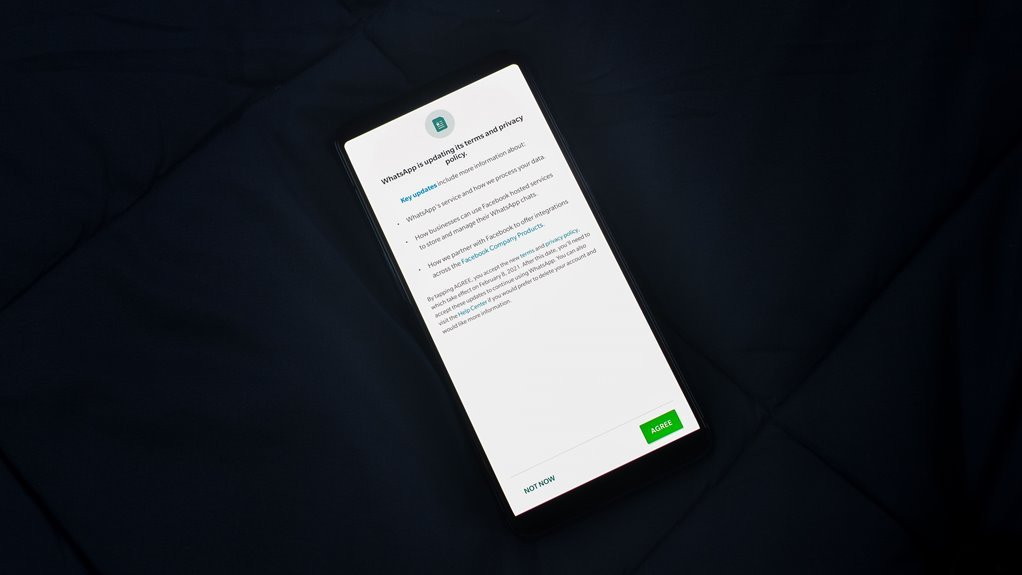
A privacy dashboard translates complex permissions into clear controls that show what is shared, with whom, and for how long. It centers on reducing unnecessary data exposure while preserving essential functionality. Settings map directly to your online footprint, making access, retention, and sharing decisions concrete and auditable. The approach demands regular audits across apps and sites, with practical tweaks to curb tracking. The result is a security-driven, user-focused framework that invites you to act, not just observe.
What a Privacy Dashboard Actually Does
A privacy dashboard serves as a centralized control point for monitoring and managing personal data exposure. It translates complex permissions into clear actions, enabling privacy controls to adjust data sharing, access, and retention. The interface emphasizes data minimization, limiting collection to essential purposes and user consent. It supports informed decisions, promotes autonomy, and strengthens security without compromising usability or freedom.
How Settings Map to Your Online Footprint
Settings map directly to the online footprint by translating chosen permissions into concrete data exposure.
The article outlines how privacy controls rely on data mapping to reveal the privacy footprint, clarifying what is shared, with whom, and for how long.
Effective consent management and disciplined permission choices reduce risk, empowering users to manage exposure while preserving freedom and security.
How to Audit Permissions Across Apps and Sites
Auditing permissions across apps and sites is essential to understand precisely what data is accessible and by whom. The process emphasizes minimal disclosure and clear ownership, revealing how apps justify access and how sites enable cross site tracking. A security-centered approach guides users to review consent prompts, revoke unused permissions, and continuously monitor activity for freedom without unnecessary exposure.
Practical Tweaks That Reduce Data Sharing and Tracking
Practical tweaks that reduce data sharing and tracking focus on concrete, user-driven controls that tighten privacy without impairing functionality. Privacy dashboards enable granular permissions adjustments, emphasize data minimization, and encourage regular permissions audit. Subtle changes shrink tracking footprint by limiting ad tech and telemetry, while preserving core features. Clear settings, ongoing vigilance, and user autonomy empower freedom without compromising security or usability.
Choosing the Right Dashboard for You and Next Steps
Choosing the right privacy dashboard hinges on aligning feature sets with user needs and threat models, then planning concrete steps to implement them. The analysis emphasizes privacy balance, dashboard flexibility, and clear consent controls. It guides toward data minimization by default, modular controls, and transparent reporting. The result is a practical, secure, user-centric path that respects freedom while reducing exposure and risk.
Frequently Asked Questions
How Often Should I Review My Privacy Dashboard Settings?
A prudent cadence suggests reviewing privacy dashboard settings quarterly to sustain data visibility. This privacy cadence balances control with flow, ensuring users maintain awareness of evolving data practices while preserving freedom to adjust preferences as circumstances change.
Can Dashboards Protect Against Future Data Collection Changes?
Yes, dashboards can provide resilience against future data collection shifts by enforcing privacy safeguards and data minimization, enabling users to limit exposure even as policies evolve, while preserving control, transparency, and personal autonomy.
Do Dashboards Cover Biometric and Health Data Tracking?
Biometric privacy and health data tracking are partially covered; dashboards offer controls that limit exposure, but coverage varies by platform. They enable settings to restrict sharing, storage, and analytics while promoting user-centric transparency and security-minded freedom.
Are There Costs or Trade-Offs to Using Dashboards?
Yes, there are costs and trade-offs. The cost benefit hinges on data visibility versus resource use; performance trade offs include potential latency and feature limits, while security and user autonomy gain from clearer controls and targeted privacy protections.
How Reliable Are Dashboards Across Different Platforms?
Privacy dashboards vary in reliability, ensuring consistency is challenging; platform variability affects data accuracy, presentation, and controls. They prioritize user-centric security, but interoperability remains limited, demanding rigorous verification, ongoing testing, and standardized interfaces for true cross-platform trust.
Conclusion
Privacy dashboards translate permissions into concrete footprints—who sees what, for how long, and under what conditions—making exposure measurable and controllable. By auditing settings across apps and sites, users identify hidden data flows and prune access without compromising essential function. Objection: dashboards are too complex. The truth: they centralize control with clear, actionable metrics, enabling sustained minimization and ongoing audits. For security-minded users, this clarity turns consent into practical, repeatable safeguards rather than vague promises.