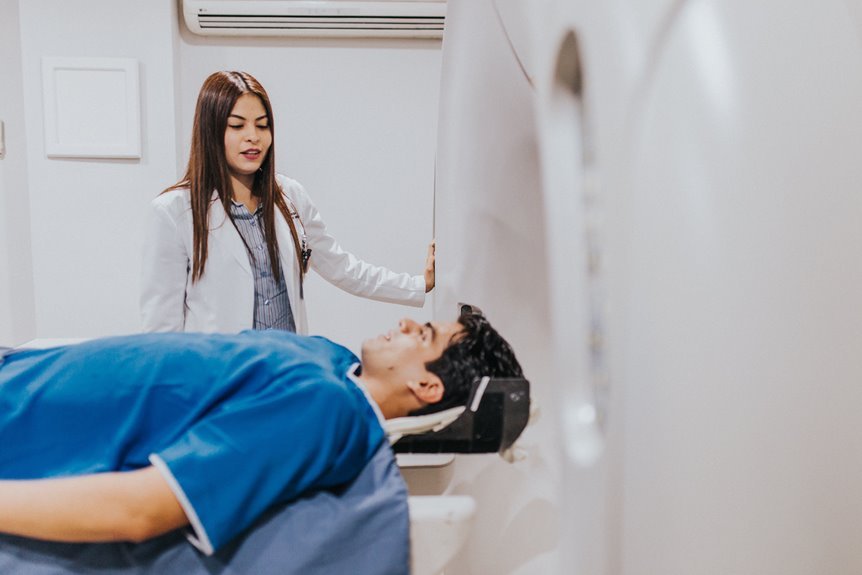
Medical imaging referrals follow a structured flow: a clear indication with patient history prompts radiology to verify eligibility, select appropriate parameters, and confirm safety, consent, and insurance before scheduling. The order reflects a diagnostic plan guided by evidence-based criteria. Effective collaboration among radiologists, referrers, and patients supports timely, appropriate testing and accurate results, reducing unnecessary procedures. Understanding this process reveals how care quality hinges on precise communication and coordinated workflows that shape outcomes and patient confidence. The next step questions what specific information makes a referral strongest.
What Happens From Referral to Imaging Order
When a referral is received, the ordering clinician specifies the patient’s clinical indication, relevant history, and required imaging modality or protocols. The referral enters a structured system, initiating the referral workflow.
Radiology staff verify eligibility, prioritize urgency, and assign imaging ordering parameters. Compliance checks confirm safety, consent, and insurance prerequisites before scheduling, ensuring accurate, appropriate imaging without unnecessary repetition.
Who Orders Imaging and Why It Matters
Imaging orders are placed by the clinician responsible for the patient’s diagnostic plan, typically the referring physician, specialty consultant, or treating provider coordinating care. Ordering decisions reflect referral pathways and clinical indications, balancing cost, access, and urgency. Imaging appropriateness hinges on evidence-based criteria, ensuring tests align with suspected pathology and patient goals, reducing unnecessary exposure while guiding timely, effective treatment decisions.
Key Information That Strengthens a Referral
Key information that strengthens a referral centers on providing clear clinical context, specific imaging questions, and actionable patient details that directly inform test selection and interpretation.
Precise history, prior imaging references, and current symptoms enhance referral quality by guiding modality choice and sequence.
Documentation of imaging appropriateness supports timely, focused studies, reducing unnecessary tests while boosting diagnostic value and patient-centered care.
How Wait Times and Test Choice Affect Outcomes
Wait times influence both the timeliness of diagnosis and downstream patient management, while test choice determines diagnostic yield and resource use. In practice, shorter wait times can reduce disease progression risk and anxiety, whereas thoughtful test selection balances sensitivity, specificity, radiation exposure, and cost. Systematic prioritization and guideline-concordant pathways optimize outcomes, efficiency, and patient autonomy within imaging referrals.
Communicating Results: Radiologists, Physicians, and Patients
Effective communication of imaging results hinges on clear, coordinated dialogue among radiologists, referring physicians, and patients, ensuring timely understanding and appropriate follow-up.
Radiologist patient communication and referral to report clarity shape patient empowerment and care continuity, reducing ambiguity.
Visual reports should be concise, standardized, and accessible, with timely verbal explanations when needed, aligning expectations, documenting decisions, and supporting informed, autonomous patient participation in subsequent management.
Frequently Asked Questions
What Are Patient Rights During Imaging Referrals?
The patient has rights to patient privacy and informed consent during imaging referrals. They may access records, receive explanations of procedures, and refuse or limit certain imaging unless clinically mandated, ensuring autonomy, transparency, and protection of personal health information.
How Is Exposure Risk Minimized in Imaging?
Some may doubt imaging safety, but exposure is minimized through exposure optimization and rigorous dose tracking; systematic protocol and shielding, technique adjustments, and continuous monitoring collectively reduce risk while maintaining diagnostic quality for patients and clinicians.
Can Patients Request a Specific Imaging Modality?
Yes, patients can request specific imaging, but clinicians consider medical necessity, appropriateness, and safety. The patient autonomy rights guide shared decision-making, ensuring informed discussion while the final choice balances clinical indications, resource availability, and evidence-based justification.
What Costs Are Typically Associated With Imaging?
Costs vary, but typical imaging involves facility fees, technician time, and interpretation charges, with price ranges influenced by modality and setting. Cost considerations include potential out-of-pocket expenses; insurance coverage often mitigates costs based on policy and necessity.
How Often Are Imaging Results Reviewed by Specialists?
Imaging turnaround varies; results are commonly reviewed by a radiologist and, when needed, a Specialist consultation occurs promptly. In many systems, urgent cases trigger rapid review, whereas elective studies follow standard reporting timelines to ensure timely decisions.
Conclusion
Efficient medical imaging referrals streamline patient care, from clear indications to accurate orders and timely results. When referrers, radiologists, and patients collaborate, care pathways become faster, safer, and more cost-effective. Properly structured referrals, validated safety and consent, and evidence-based imaging choices reduce delays and unnecessary tests. Radiologists translate clinical questions into precise protocols; physicians communicate results clearly; patients receive understandable information and expectations. In this synchronized system, coordinated communication is the engine that keeps diagnoses precise and outcomes patient-centered.