Restaurant portions vary widely, influenced by dish type, kitchen practices, and market expectations. Visual cues, plate scale, and presentation help evaluate quantity, but consistency across venues remains imperfect. Standards aim for uniformity, yet individual menus and cooking styles drive differences. Understanding these factors lets diners align intake with hunger and activity, rather than label size alone, while practical choices can mitigate surprises as one explores further.
What “Restaurant Portions” Really Look Like
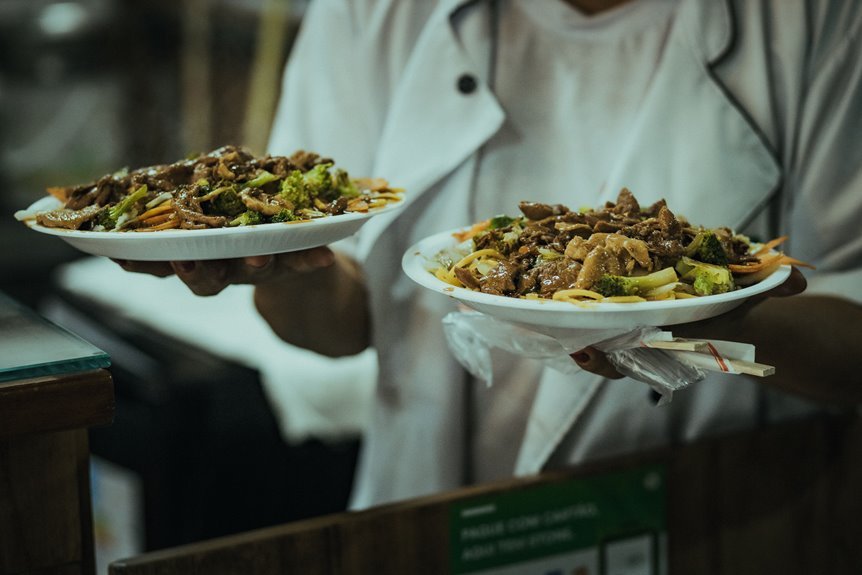
Restaurant portions often exceed what many people expect, even when menus advertise regular or standard sizes. In this examination, measured definitions of portion sizes are paired with observable evidence. Visual cues, prepared presentation, and plate scale are described to support objective assessment. The analysis emphasizes consistency across establishments and highlights how perception influences judgments about quantity without conflating value or quality.
Why Serving Sizes Vary by Dish and Restaurant
Serving sizes differ by dish and by establishment due to a combination of culinary goals, operational constraints, and market expectations. This yields measurable dish variance, with the same dish varying across kitchens.
Serving standards aim for consistency, yet portion perception can diverge among diners.
Menu sizing informs expectations; portion troubleshooting addresses outliers, while data-driven controls support reliable portion consistency.
How to Gauge Your Actual Portion Needs
Different framing of portion needs follows from recognizing that dish- and restaurant-specific variability can influence intake goals. This section outlines how individuals can gauge actual needs through portion estimation, aligning intake with hunger and activity rather than menu labels.
Findings from dining psychology emphasize awareness, self-regulation, and portion control as core strategies to sustain consumption awareness without excessive restraint.
Practical Hacks to Control Portions Without Losing the Dining Experience
Practical hacks can help diners manage portions without compromising the dining experience. Structured strategies include requesting half portions or sharing plates, selecting appetizer-sized meals, and using boxed leftovers as future meals. Evidence suggests portion control improves intake without forfeiting taste or social enjoyment. Training staff to offer mindful options supports autonomy, preserves dining experience, and aligns with consumer desire for freedom and intentional choices.
Quick Decision Aids: Apps, Sides, and Sharing Strategies
Recent research on portion control in dining contexts supports quick, actionable options that preserve the dining experience. Quick decision aids include apps that estimate portions, track intake, and provide reminders; selecting sides wisely to balance volume and nutrition; and strategic sharing practices to reduce individual portions. Consideration of portion scales and portion psychology informs these choices, enabling autonomous, informed dining decisions.
Frequently Asked Questions
How Do Portion Sizes Affect Long-Term Health Goals?
Portion sizes influence energy intake, thereby affecting long term goals; consistent excess can hinder progress, while mindful portions support portion health. Sustained adherence, balanced nutrition, and individualized planning are essential for achieving long term goals with autonomy.
What Counts as a Reasonable Restaurant Portion for Snacks?
A knight consults a modern menu: a reasonable restaurant snack portion equals roughly 100–200 calories, depending on item; snack portions should align with daily goals. Evidence suggests portion etiquette reduces excess intake and supports mindful choices.
Are Kid Portions Appropriate for Adults in Some Dishes?
Kid portions can be appropriate for adults in certain adult suitable dishes, though suitability depends on nutrient balance and portion context; evidence suggests customization supports autonomy and choice, while mindful sizing maintains satiety and aligns with individual dietary goals.
How Can I Estimate Portions Without Measuring Tools?
Estimating portions relies on visual cues rather than scales. The method uses eye-level comparisons, plate halves for vegetables, protein palm-sized portions, and starch fists. Estimating portions offers freedom while remaining evidence-based and objective.
Do All Cuisines Standardize Portions Similarly Across Chains?
Portion standards vary by cuisine and chain, so not all cuisines standardize portions similarly across chains. Chain variance is evident in labeling, serving size guidelines, and menu descriptions, with evidence-based differences benefiting consumers seeking informed dining freedom.
Conclusion
Restaurant portions vary due to culinary goals, preparation methods, and venue norms, a pattern supported by industry data showing that entrees often exceed label claims by 20–50% in many markets. A conclusion from this evidence is that diners should calibrate intake to hunger, activity, and plate size rather than label expectations. Recognizing that servings are not uniform across restaurants empowers more accurate portion control and informed dining choices, sustaining satisfaction while minimizing waste.