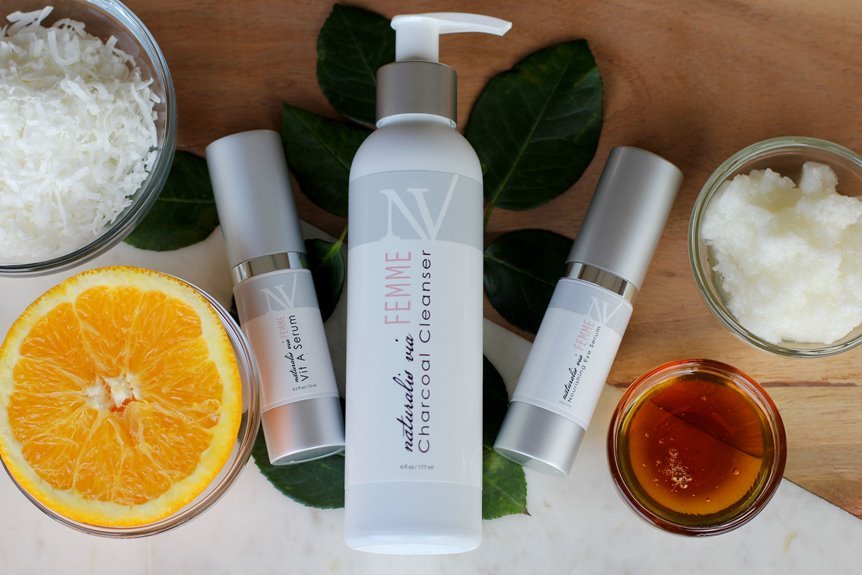
Layering order in skincare influences how active ingredients penetrate the skin and how formulations interact with the barrier. Starting with lighter, water-based products and progressing to thicker emulsions and ointments supports absorption while reducing friction and potential irritation. A consistent sequence—from cleanser to sunscreen—offers predictable tolerability and results, enabling customization for skin type and concerns. The implications are practical, yet specifics matter, leaving open questions about how individual routines should be structured for optimal efficacy.
What Is Layering and Why It Matters for Skin
Layering refers to the sequential application of skincare products from thinnest to thickest, a order that influences product absorption and overall efficacy.
The discussion outlines layering fundamentals, emphasizing how formulation thickness and active ingredients interact with barrier function.
This approach clarifies why it matters for skin, guiding consistent routine design and measurable outcomes while avoiding unnecessary complexity.
The Right Order: Cleanser to Sunscreen Explained
A proper skincare sequence progresses from cleansing to protection, reflecting how each step prepares the skin for subsequent products. The order—from cleanser to sunscreen—optimizes barrier interaction and tolerability, ensuring active ingredients reach targets while reducing irritation. Cleansers remove debris; serums and moisturizers follow, then protecting ingredients like UV filters. Precision in layering supports consistent, measurable outcomes and user confidence.
Matching Products to Skin Type and Concerns
Matching products to skin type and concerns requires a systematic assessment of both intrinsic characteristics and specific goals. Clinically guided selection hinges on evidence of efficacy, tolerability, and compatibility with the skin barrier. Consider product formulations aligned with skin concerns, such as barrier support or oil control. This approach enhances outcomes while preserving freedom to customize routines. matching products, skin concerns.
Common Layering Mistakes and How to Fix Them
Common layering mistakes can undermine skincare efficacy and disrupt the skin barrier. The discussion identifies common layering mistakes and offers evidence-based fixes. Incorrect sequencing can reduce absorption and irritate skin; selection should consider formulation compatibility and wait times. Clinically, journals note hesitations between actives and vehicles. Addressing these issues supports consistent outcomes, enabling users to implement fixing them with informed confidence.
Build a Simple Daily Routine You Can Stick To
Evidence supports the practicality of a streamlined daily skincare routine that prioritizes consistent application over complexity. A simple build routine addresses common skin concerns with predictable timing, reducing decision fatigue. Prioritize universal steps, minimal products, and known actives aligned with personal goals. When adhered to daily, measurable improvements emerge; flexibility exists within product choices while maintaining core timings and evidence-based targets.
Frequently Asked Questions
Can Layering Affect Makeup Application Longevity and Texture?
Layering can affect makeup adhesion and texture influence. The evidence suggests primers, moisturizers, and actives modify surface properties, impacting longevity and finish. Clinically, inconsistent layering leads to uneven adhesion, while well-timed sequences optimize glide, wear, and perceived freedom in expression.
Do Frequency and Timing Between Products Matter Beyond Morning Vs Night?
“Time is money,” notes the literature: frequency timing between products matters beyond morning/night. The routine benefits from adherence to product intervals, allowing absorption windows and barrier recovery; deviations can reduce efficacy, transparency, and comfortable texture for the wearer.
How Do Environmental Factors Alter Optimal Layering Order?
Environmental factors modulate layering order by altering barrier function; products must respect environmental sensitivity and pH balance to maintain efficacy and minimize irritation, with precise sequencing reducing interactions and enabling consistent, evidence-based results for a freedom-seeking audience.
Are Certain Ingredient Combinations Safe or Unsafe in Stacking?
One study reports 60% of users mix incompatible actives, elevating irritation risk. Safe combinations exist, but stacking risks include diminished efficacy and barrier disruption; certain acids, retinoids, and antioxidants must be sequenced. Cautious, evidence-based layering is advised.
Does Skin Cycling Change the Ideal Layering Sequence Over Time?
Skin cycling does not fundamentally alter the layering sequence; routine changes reflect product roles and irritation risk, not a fixed reordering. The layering sequence remains anchored to formulation compatibility, while cycling governs frequency and tolerance adjustments for individual skin biology.
Conclusion
Layering order governs how actives traverse the skin barrier, maximizing efficacy while minimizing irritation. Evidence supports starting with lighter formulations—cleansers and serums—then advancing to moisturizers and finally sunscreen, ensuring barrier preservation and optimal absorption. Missteps, like applying occlusive products before humectants, hinder delivery and can provoke discomfort. A disciplined routine—cleanser, lightweight serums, moisturizer, sunscreen—offers predictable, tolerable results. Clinically, consistency and correct sequencing yield reproducible improvements, reducing variability across users and enhancing long-term skin health.