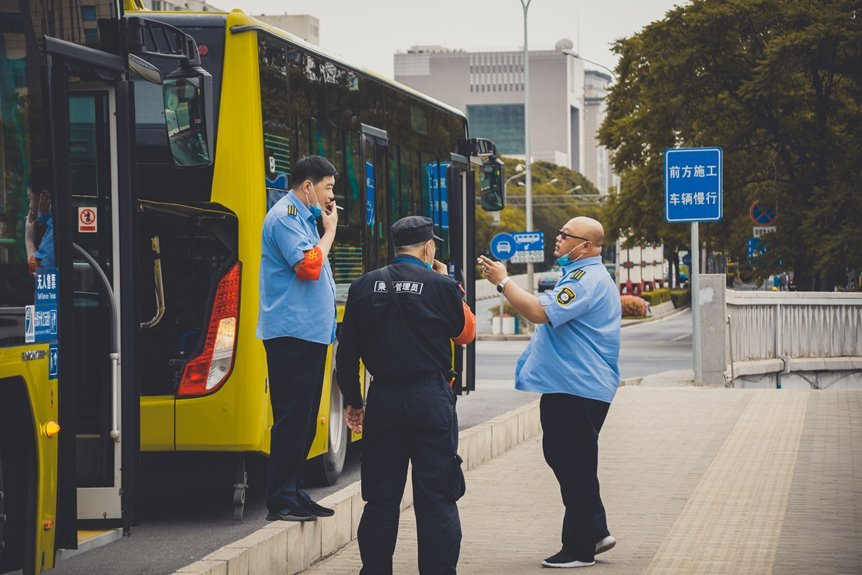
Event transport coordination centers on aligning air, rail, road, and on-site shuttles with event timelines. It emphasizes multimodal arrivals, real-time communication, and centralized monitoring to keep flows smooth. Permits, safety standards, and risk controls frame every decision, with buffers and predefined contingencies for last-minute changes. Measuring success focuses on on-time departures and resource utilization, while troubleshooting bottlenecks as they arise—then documenting lessons learned for continuous improvement. The path forward invites careful scrutiny of each link in the chain.
What’s the Core Role of Transport Coordination in Events?
The core role of transport coordination in events is to plan, manage, and optimize the movement of people and goods from origins to venues and between event locations. This coordination aligns schedules, routes, and resources to sustain a seamless event flow. It enables multimodal arrivals, smooth on site transitions, and resilient logistics under changing conditions while preserving attendee freedom and accessibility.
Planning Multimodal Arrivals and Transitions
Planning multimodal arrivals and transitions requires a clear, data-driven framework that coordinates individual transport modes—air, rail, road, bus, and on-site shuttles—with event timelines. The approach emphasizes synchronized schedules, real-time communication, and centralized monitoring. Multimodal arrivals align with inbound crowd flow, while transition timing minimizes congestion, delays, and misses, enabling smooth participant movement and on-site operational efficiency.
Permits, Approvals, and Risk Controls That Matter Most
Permits, approvals, and risk controls form the backbone of a compliant, predictable event operation, ensuring that all activities align with regulatory requirements and safety standards.
The text describes permits coordination, clarifying required agencies, timelines, and documentation.
It emphasizes risk mitigation: identifying hazards, outlining controls, and validating operational readiness, enabling decisive, freedom-supporting execution while preserving safety, compliance, and logistical clarity across transport coordination processes.
Building Buffers, Contingencies, and Last-Minute Changes
Buffering buffers, contingencies, and last-minute changes are integral to sustaining operational reliability in event transport coordination.
The detached analysis details practical implementation: buffers allocate slack without overcommitment; contingencies describe predefined responses; last minute changes trigger controlled renegotiation and rapid reallocation.
This approach preserves schedule integrity, communicates expectations, and reduces risk, enabling organizers to navigate unpredictability with calm, disciplined, transparent logistics.
Buffer strategies, Contingency planning
Measuring Success and Troubleshooting Bottlenecks in Real Time
Real-time measurement of performance and rapid identification of bottlenecks are integral to sustaining smooth event transport operations. The analysis focuses on measuring success through objective metrics, such as on-time departure rates and resource utilization, while maintaining adaptability.
Troubleshooting bottlenecks is methodical: diagnose causes, implement targeted adjustments, validate results, and document lessons. The approach preserves clarity, coordination, and the freedom to optimize flows.
Frequently Asked Questions
How Do We Coordinate With External Vendors and Drivers Effectively?
Efficient coordination is achieved through structured vendor partnerships and precise driver scheduling, ensuring clear expectations, consistent communication, and real-time updates; the approach balances autonomy for drivers with centralized oversight, facilitating responsive adjustments and reliable event transport outcomes.
What Technologies Best Support Real-Time Transport Coordination?
Real time data powers coordination, with API integration enabling seamless event logistics management, fleet optimization, and live updates. It supports proactive routing, driver visibility, and scalable communications, delivering freedom-driven efficiency while maintaining structured, detail-oriented operational control.
How Can Attendee Transportation Be Optimized for Accessibility Needs?
Smoothly, attendee accessibility is enhanced through transportation equity, vendor coordination, and driver communication, leveraging real time dispatch and event technology to meet safety standards, accommodate last minute changes, and optimize costs while prioritizing guest accommodations.
What Are Cost-Saving Approaches Without Compromising Safety?
Cost saving strategies include route optimization and shared shuttle pooling, prioritizing safety first through certified drivers, vehicle maintenance, and real-time monitoring; cross-verify insurance, implement clear SOPs, negotiate bulk rates, and design flexible timing to preserve safety.
How Should We Handle Last-Minute Schedule Changes With Guests?
How to handle changes involves immediate reassessment of routes, relay to stakeholders, and contingency options. Guest communication is proactive, clear, and timely, outlining alternatives, timelines, and next steps, while preserving autonomy and ensuring safe, efficient transport coordination under evolving schedules.
Conclusion
Event transport coordination centers on synchronized planning, real-time communication, and proactive risk management to ensure seamless multimodal arrivals and on-site movements. A key statistic highlights that synchronized transport plans can reduce first-mile delays by up to 30% and on-site congestion by 20%. The conclusion emphasizes buffers, clear contingencies, and continuous monitoring to adapt to last-minute changes, while post-event reviews translate lessons learned into measurable improvements for future events. The emphasis remains on precise logistics and reliable execution.