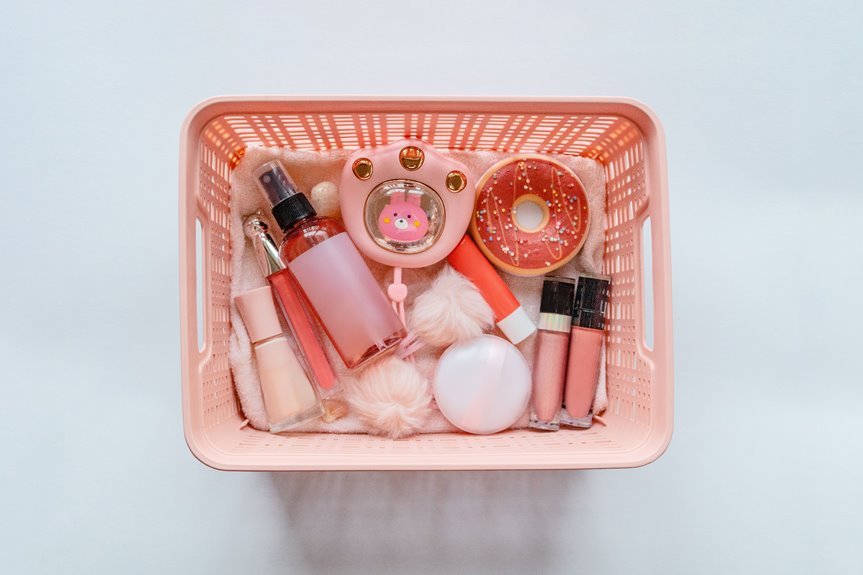
Fine fragrance storage centers on controlling light, temperature, humidity, and containment to preserve stability. Bottles should remain upright and stored on labeled, orderly shelves, with quarterly rotation of older stock. Air exposure is minimized by tight seals and appropriate containment, while extreme conditions are avoided. Routine checks for seals and suitable storage accessories prevent leaks and oxidation. Documented movements ensure traceability, and consistent handling supports aroma fidelity over time; the precise balance invites further consideration of best practices.
What Makes Fine Fragrances Fragile and Why Storage Matters
Fine fragrances are sensitive to environmental and chemical factors that can alter their composition over time. The topic analyzes molecular stability, volatility, and oxidative pathways that contribute to storage fragility. Variables include light exposure, atmospheric oxygen, and container interactions. This evaluation emphasizes measurable decline in aroma accuracy, and underscores why meticulous handling and standardized protocols protect the integrity of fine fragrances, reducing storage fragility.
Best Storage Environments: Light, Temperature, and Humidity Explained
Optimal storage of fine fragrances requires control of three principal environmental variables: light exposure, temperature, and humidity. Deliberate handling minimizes fragrance packaging exposure to light, maintaining stable temperatures near ambient but below harsh extremes. Humidity control reduces oxidation risk and bottle darkening potential, while consistent storage patterns prevent cumulative degradation. Methodical practices support freedom to preserve scent fidelity without compromise.
How to Position and Organize Bottles for Longevity
Positioning and organizing bottles for longevity centers on stable, repeatable routines that minimize handling and exposure.
In practice, the fragrance cabinet should maintain consistent order, with shelves labeled and bottles oriented upright.
Implement bottle rotation to expose older stock first, rotate quarterly, and record movements.
Documentation ensures traceability, reduces disturbance, and sustains scent integrity over extended storage periods.
Everyday Habits to Protect Scent Integrity Over Time
Everyday habits significantly influence scent integrity over time and must be managed with consistent, objective practices. The methodology emphasizes minimal exposure: cap impact should be limited, containers kept upright, and ambient conditions monitored. Tiny spritzes reduce oxidation risks while preserving aroma profiles. Routine checks for seal integrity and refurbishing storage accessories ensure reproducible outcomes, promoting sustained fragrance performance and user autonomy.
Troubleshooting Common Fragrance Storage Problems
Common fragrance storage problems arise from predictable failure modes related to temperature, light exposure, and seal integrity. Troubleshooting focuses on identifying cause, isolating variables, and applying corrective controls.
Inspect packaging for gaps or cracks, reseal or replace containers, and minimize air exposure to reduce oxidation prevention concerns.
Consider fragrance packaging choices and storage conditions that promote stability, consistency, and reliable performance.
Frequently Asked Questions
Do Certain Fragrance Ingredients Age Differently Under Storage?
Fragrance ingredients age differently under storage, with some exhibiting distinct aging notes while others retain stability; solUT stability varies. The assessment emphasizes solvent stability, polymer interactions, and volatility, guiding practitioners toward controlled conditions for consistent, freedom-desired fragrance longevity.
How Does Bottle Color Affect Fragrance Stability Over Years?
Glass absorbs UV less in dark bottles; bottle color affects fragrance stability over years. Refills and storage aging interact with light exposure, permeation, and evaporation. The analysis notes technical, methodical evaluation for an audience desiring freedom.
Are Refillable Atomizers as Stable as Original Packaging?
Refillable atomizers generally offer comparable storage stability to original packaging when properly maintained; however, variability in seals and materials can influence long-term integrity, making precise quality controls essential to ensure consistent fragrance performance and user freedom.
Can Fragrance Layering Alter Longevity During Storage?
Fragrance layering does not inherently extend storage longevity; composition instability and interaction with air can alter profiles. Fragrance layering may affect perceived longevity, but precise results depend on volatile balance, bottle integrity, and storage conditions rather than layering strategy.
What Signs Indicate a Bottle Has Degraded Without Smelling Spoiled?
Signs of degradation manifest as subtle changes in tint, clarity, or residue; storage indicators include cap looseness, evaporation, and container wear. The observer notes these without smelling spoiled, ensuring objective evaluation and meticulous documentation for preservation.
Conclusion
In sum, the discipline of storage mirrors a controlled laboratory: light, temperature, and containment govern outcomes, while rotation and labeling enforce traceability. Bottles stand upright; air exposure is minimized through tight seals and orderly shelves. As with archival specimens, routine checks prevent degradation, and diligent handling preserves fidelity. The practice recalls a quiet ode to time itself, where disciplined preservation keeps essence intact long after initial release, an allusion to memory sustained through meticulous, repeatable care.