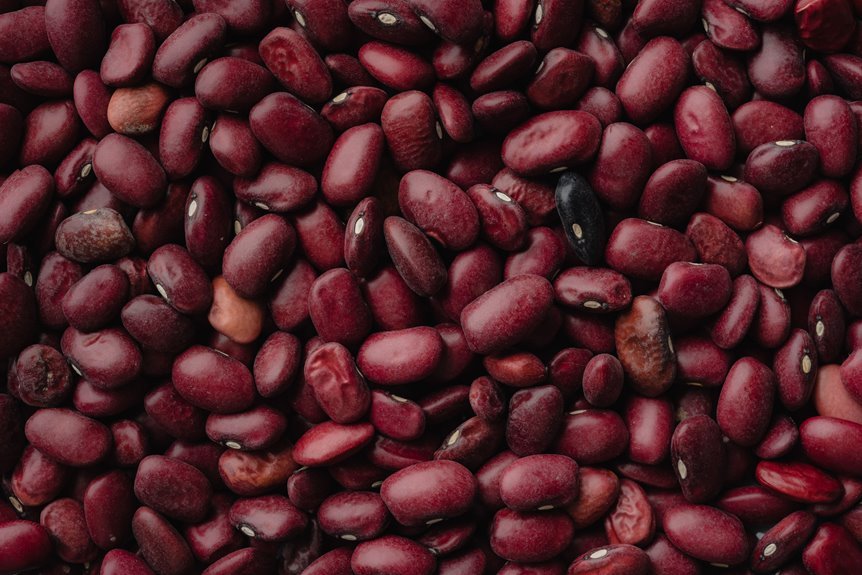
Cooking beans from dry rehydrates the seeds, then softens them with gentle heat as starch and protein unlock their structure. Soaking and rinsing shape texture and flavor, reducing compounds that cause gas and guiding even tenderness. The simmering method balances temperature, time, and liquid to coax a creamy interior while preserving bite. Practices like controlled texture and mindful use of cooking liquid can cut waste, but questions remain about how tweaks shift outcomes, inviting further exploration.
What Happens When You Cook Beans From Dry
Cooking dry beans involves a simple sequence of conditioning, hydration, and heat. In this process, dry beans rehydrate, swell, and unlock starches, proteins, and sugars. The result is cohesive centers and creamy interiors. Understanding soaking myths, flavor physics, simmering tips, texture control guides cooks toward predictable outcomes and satisfying texture, while avoiding overcooking and under-seasoning.
Soaking and Rinsing: Why They Matter for Texture and Flavor
Soaking and rinsing are foundational steps that shape texture and flavor before beans meet heat. This stage reduces compounds that cause gas and uneven cooking while hydrating beans for even absorption. The process also preserves delicate flavors, influencing texture and depth. Informed choices about soaking and rinsing yield a noticeable flavor impact and more consistent, satisfying results.
The Simmering Method: Temperature, Time, and How to Test Doneness
The simmering method hinges on steady heat, precise timing, and reliable tests for doneness. Beans simmer gently, maintained around a steady simmer to avoid rupturing skins. Temperature and time vary by bean type, with testers noting beany flavor when under or overcooked. Foam management keeps the pot clear, ensuring even cooking and predictable tenderness throughout the process.
How to Customize Texture and Reduce Waste in Practice
Manufacturing the right texture and trimming waste become practical goals once the beans have reached the simmering stage, and they can be tailored without sacrificing efficiency. In practice, texture adjustments rely on controlled soaking, timing, and brief extra simmering.
Practical savings appear in mindful beans storage and repurposing cooking liquid, while alternatives like miso alternatives influence flavor without bulk waste.
Troubleshooting and Troubleshooting-Ready Tips for Common Issues
Common bean cooking often presents a few predictable issues, and a practical approach can prevent frustration and wasted time. Problems surface with undercooked beans, over-soft textures, or uneven flavors. Triage by testing bean quality before soaking, and monitor cooking timing with a routine check. Calibrate salt, add aromatics late, and adjust liquid as needed to sustain consistent results.
Frequently Asked Questions
How Do Beans Affect Dosage of Dietary Fiber per Serving?
Beans modestly increase dosage impact of dietary fiber per serving, depending on portion size and soaking or cooking water. Bean fiber concentrates in the bean, while cooking water can alter flavor retention and overall fiber intake.
Can You Reuse Cooking Water Without Flavor Loss?
Reusing soaking water is not advisable; flavor retention can suffer as compounds leach out. The soaking water often contains raffinose and oligosaccharides that may alter taste. For best results, discard soaking water and use fresh water.
Do Different Bean Varieties Require Distinct Soaking Times?
Yes, different bean varieties require distinct soaking times. Variety specific soaking influences texture; some beans benefit from shorter or longer immersions. Texture focused beans reveal differences, while cooks enjoying freedom can tailor soaking to desired consistency.
What Storage Methods Best Preserve Cooked Beans’ Texture?
They note that proper storage methods and portioning aid texture preservation; refrigerating or freezing cooked beans limits moisture loss, while avoiding overcooking helps texture preservation. Consider soaking times and bean varieties; pressure cooking yields consistent results.
Are Pressure Cookers Faster Than Simmering for Dry Beans?
Pressure cooking is faster than simmering for dry beans, though results vary by bean varieties; a soaking times prelude helps. The simmering comparison favors texture control, while storage texture remains key for future use.
Conclusion
Cooking beans from dry is an epic journey: a humble legume swells into a tender treasure with every patient simmer, soaking up flavor like a sponge that learned poetry. Soaking, rinsing, and gentle heat transform stubborn seeds into creamy, versatile goodness, while waste becomes a mere myth. Master the pace, test for tenderness, and embrace customization. The payoff is heroic—beans that glow with texture, depth, and a pantry-saving, flavor-maximizing magic that could save a supper and soothe a week.