Group hiking pace planning blends individual fitness with terrain and goals to set a sustainable travel rate. It translates energy into a shared rhythm, guiding rest, regrouping points, and communication cues. Leaders balance exploration with feasibility, using practical formulas and terrain estimates to keep the group cohesive. From beginners to seasoned hikers, pace planning supports safety and momentum. The method invites readers to weigh汗 factors and test strategies on the trail, with practical steps just ahead.
What Pace Planning Is and Why It Matters
Pace planning is the process of estimating and coordinating how fast a group will move over terrain, combining individual fitness, terrain difficulty, and trip goals to produce a workable travel rate. It translates energy into a shared rhythm, revealing pace impact on group flow.
Trail stamina governs endurance, shaping decisions, safety, and freedom to explore without overreach.
Estimating Terrain, Elevation, and Terrain-Specific Time
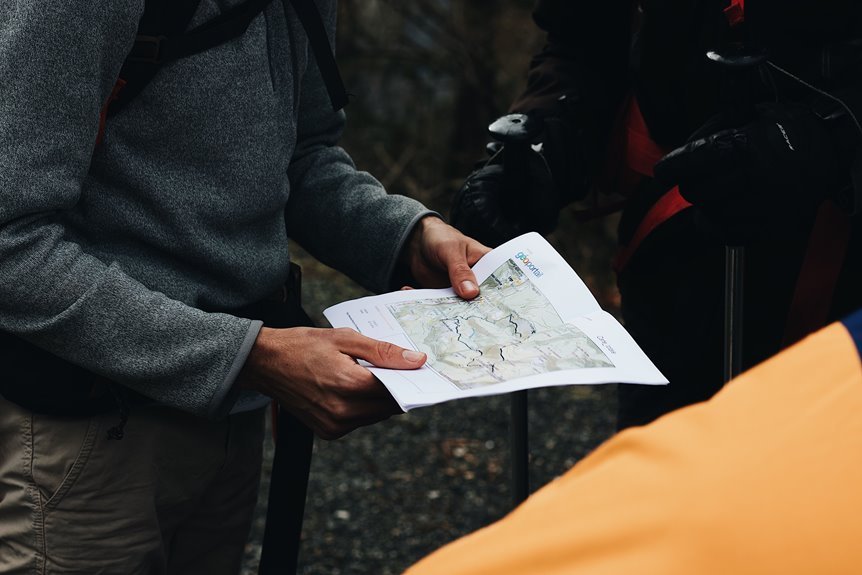
Estimating terrain, elevation, and terrain-specific time translates map data into practical travel expectations by tying slope, surface, and trail condition to expected pace.
The text explains estimating terrain with elevation nuances, planning rest, regrouping, and communication on the trail, using practical formulas and tools.
It highlights common pitfalls to avoid, ensuring concise, disciplined decisions for safe, freedom-loving groups.
Crafting a Group-Friendly Pace: Beginners to Seasoned Hikers
Crafting a group-friendly pace requires balancing individual capability with collective momentum, so trails stay enjoyable and safe for all participants.
The approach suits both beginners and seasoned hikers, emphasizing beginner friendly pacing that remains adaptable.
Group cohesion emerges from shared tempo, mutual support, and clear expectations, ensuring everyone contributes without rushing.
Practical, flexible pacing sustains morale, reduces fatigue, and maintains inclusivity across diverse skill levels.
Planning Rest, Regrouping, and Communication on the Trail
Effective planning for rest, regrouping, and communication on the trail centers on clear signals and sensible timing. The approach emphasizes brief, predictable pauses, planned regroup points, and concise spoken cues.
Planning rest, regrouping, and communication on the trail supports terrain aware pacing, enabling hikers to maintain momentum while recovering, staying aligned, and preserving autonomy within group dynamics.
Practical Formulas, Tools, and Common Pitfalls to Avoid
Practical pace planning builds on clear rest and regroup signals by providing concrete formulas, handy tools, and common missteps to avoid.
The guide offers pace calibration methods, simple calculators, and pace-keeping cues that fit varying terrain.
It emphasizes weather considerations, cross-checking pace with group energy, and adjusting plans pre-dawn.
Awareness of fatigue, terrain, and individual limits ensures safe, freer movement for all.
Frequently Asked Questions
How Should Pace Adapt for Mixed Fitness Levels Without Slowing Others Unfairly?
The pace adapts by adjusting tempo for individuals, while maintaining group cohesion; climbers with higher fitness press on, those with lower stamina receive breaks, and leadership focuses on supporting teammates, balancing speed, safety, and mutual encouragement during the hike.
What Gear Selection Most Influences Hiking Pace in Hot Weather?
In hot weather, the gear most influencing pace includes proper hot weather gear and hydration systems, enabling steady effort. Trail temperature management, lightweight clothing, and accessible hydration choices let hikers maintain cadence and freedom while preserving energy.
How Do Breaks Affect Group Rhythm and Morale on Long Days?
Break timing directly shapes group rhythm; well-placed, moderate rests stabilize pace and reduce fatigue. Breaks carry morale impact, boosting spirits and cohesion, while overly frequent stops drain momentum. Informed pacing maintains autonomy and sustained progress for the day.
Can Pacing Vary With Trail Conditions Like Mud or Snow?
Could pacing variation occur with trail conditions? Yes, pacing variation adapts to mud or snow, as grip and energy shift. The group moves conservatively on slick surfaces, maintaining safety while preserving morale and progress through practical, engaged planning.
What Are Quick Signs a Group Is Pushing Beyond Safe Limits?
Quick signs include heavy breathing, persistent talk of stopping, stumbling or spacing, visible fatigue, clinging to pace, and reduced coordination. These indicate safe limits are approaching or exceeded, prompting a pause, regroup, and pace adjustment for safety.
Conclusion
A final note, dramatic in scope but practical in tone: pace planning, when done well, becomes the weather system of a hike—unseen, yet unmistakably influential. It can turn a grueling summit slog into a confident, rhythmical march; it can transform a casual stroll into a well-oiled expedition where every step, rest, and regrouping cue is synchronized like clockwork. Master the math, respect the terrain, and your trail story will unfold with remarkable clarity and shared marching power.