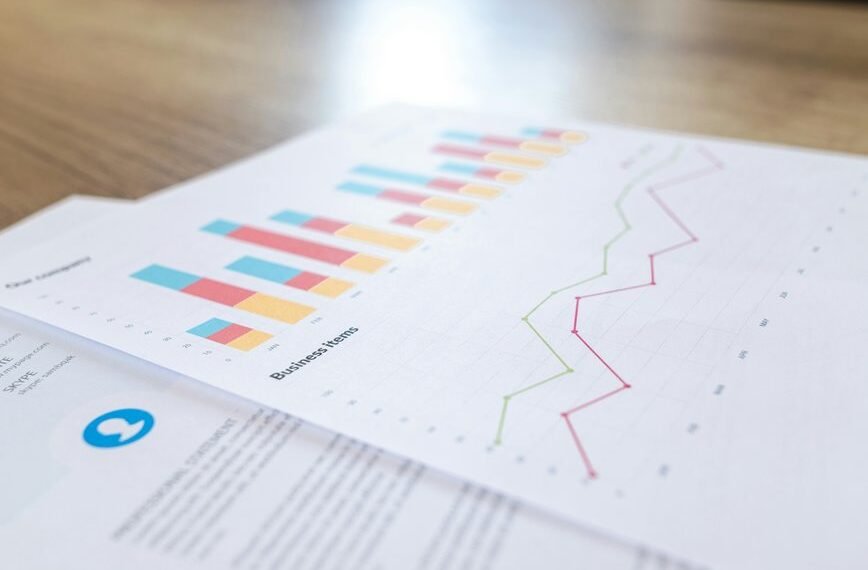
Operational intelligence mapping for identifiers such as 8002762317, 651801367, 665489607, 120907037, 3792494454, and 355103543 offers a methodical approach to uncovering actionable insights. By scrutinizing these unique identifiers, organizations can identify underlying trends and patterns. This analytical process facilitates informed decision-making and operational enhancements. However, the implications of these insights extend beyond mere analytics. The potential for strategic transformations awaits exploration.
Understanding Operational Intelligence Mapping
Operational Intelligence Mapping serves as a critical framework for organizations seeking to enhance their decision-making processes through real-time data analysis.
This approach leverages data visualization techniques, enabling stakeholders to interpret complex datasets effectively. By offering robust decision support, it empowers organizations to navigate challenges with agility.
Ultimately, Operational Intelligence Mapping fosters an environment conducive to informed choices and strategic freedom in a rapidly evolving landscape.
Analyzing Unique Identifiers for Insight Generation
A multitude of organizations harness the power of unique identifiers to drive insight generation and enhance operational efficiency.
By analyzing the identifier significance, they facilitate targeted insight extraction, enabling a deeper understanding of patterns and behaviors.
This analytical framework empowers decision-makers to leverage data effectively, fostering an environment that champions independence and informed choices while optimizing resource allocation and operational strategies.
Trends and Patterns Derived From Data Points
While organizations increasingly rely on data points to inform decisions, the identification of trends and patterns within these datasets proves essential for strategic planning.
Through effective data visualization, stakeholders can discern significant insights, enhancing understanding.
Predictive analytics further empowers organizations to anticipate future behaviors, allowing for proactive adjustments.
Ultimately, recognizing these trends fosters an environment of agility and informed decision-making, promoting organizational freedom.
Implementing Operational Improvements Based on Findings
Leveraging insights gained from data analysis, organizations can implement targeted operational improvements that enhance efficiency and effectiveness.
By focusing on process optimization, they identify bottlenecks and streamline workflows, leading to significant efficiency gains.
These enhancements not only reduce operational costs but also empower teams to allocate resources more effectively, fostering an environment of continuous improvement and adaptability to changing market demands.
Conclusion
In conclusion, operational intelligence mapping acts as a compass in the vast ocean of data, guiding organizations toward informed decision-making. Just as a skilled sailor navigates by the stars, businesses can uncover hidden trends and patterns within identifiers like 8002762317 and 651801367. These insights not only reveal areas for operational enhancement but also foster an agile culture, allowing teams to adapt swiftly in a dynamic market. Ultimately, this approach transforms data into a beacon of efficiency and growth.