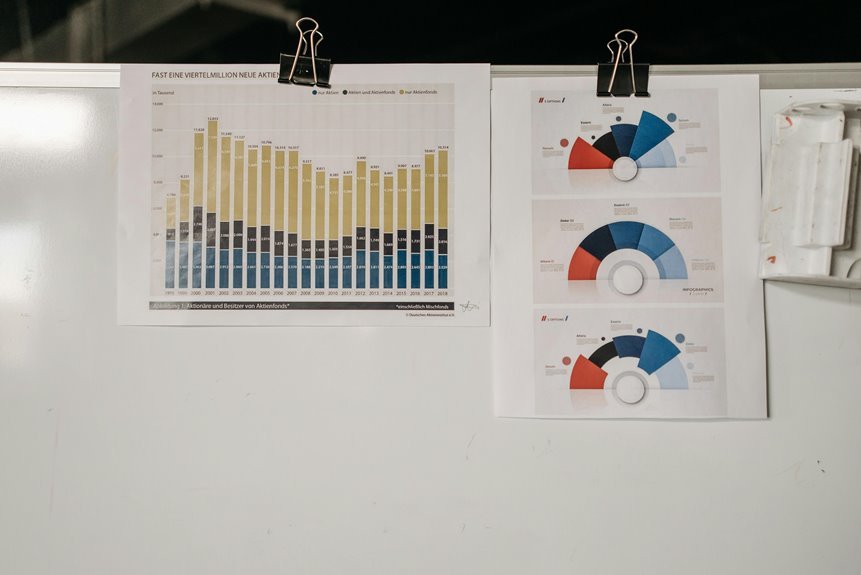
The Commercial Workflow Insight Report for the specified identifiers presents an analytical overview of operational efficiencies and challenges. It systematically examines key performance metrics, shedding light on potential bottlenecks within workflows. The report emphasizes the critical nature of data management in driving performance improvements. Strategic recommendations are poised to address these inefficiencies. However, the implications of these findings on broader operational practices remain to be explored.
Overview of the Identifiers and Their Relevance
Although identifiers may seem like mere labels, their significance in commercial workflows cannot be overstated.
These identifiers serve as crucial elements that enhance data management and facilitate communication among stakeholders.
Relevance factors such as accuracy, consistency, and traceability contribute to their effectiveness, ensuring that information flows seamlessly.
Ultimately, understanding identifier significance empowers organizations to optimize operational efficiency and make informed decisions.
Key Performance Metrics Analyzed in the Report
The analysis of key performance metrics within the report reveals vital insights into the efficiency and effectiveness of commercial workflows.
By examining essential performance indicators, the report provides a comprehensive workflow analysis that highlights operational strengths and identifies potential bottlenecks.
This data-driven approach empowers stakeholders to make informed decisions, ultimately enhancing productivity and fostering a culture of continuous improvement in commercial operations.
Identifying Areas for Workflow Improvement
While commercial workflows often exhibit strengths, identifying areas for improvement is crucial for optimizing overall performance.
Conducting a bottleneck analysis reveals points where delays occur, hindering efficiency. By focusing on process optimization, organizations can streamline operations, eliminate redundancies, and enhance productivity.
Recognizing these improvement areas empowers teams to implement targeted strategies that foster independence and adaptability within their workflows, ultimately driving success.
Strategic Recommendations for Enhanced Efficiency
To enhance efficiency within commercial workflows, organizations must adopt strategic recommendations that address identified weaknesses and leverage existing strengths.
Focused process optimization can streamline operations, while effective resource allocation ensures that assets are utilized where they yield the highest return.
These strategies empower organizations to reduce waste, enhance productivity, and foster a more agile environment, ultimately promoting sustained growth and operational excellence.
Conclusion
In conclusion, the Commercial Workflow Insight Report acts as a navigational compass, guiding organizations through the intricate landscape of operational efficiency. By illuminating key performance metrics and identifying workflow bottlenecks, it provides a strategic framework for improvement. The recommended optimizations serve as stepping stones, fostering a culture of agility and continuous enhancement. As organizations implement these insights, they position themselves to navigate challenges with greater clarity and resilience, ultimately driving sustainable growth and success.