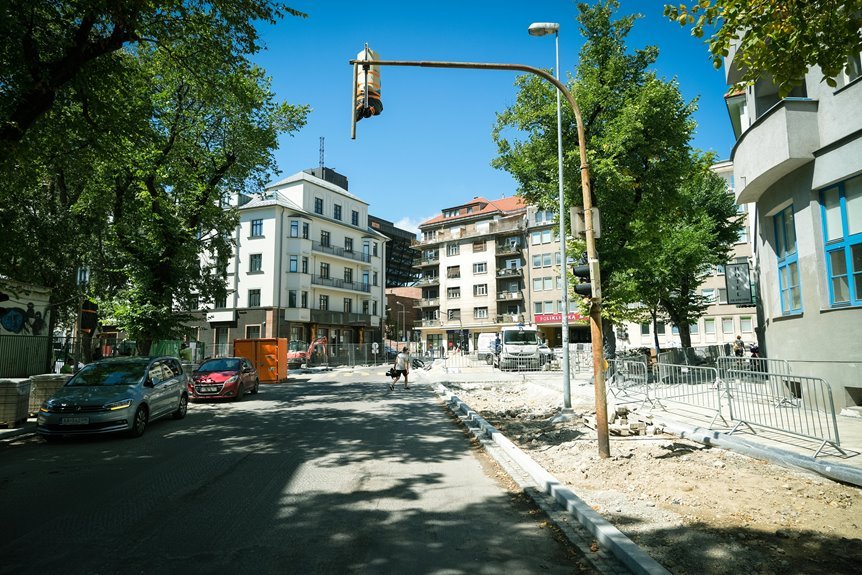
The Digital Upgrade 4446891 introduces a sophisticated framework for traffic flow management. Its blend of intuitive design and advanced algorithms optimizes signal timings, aiming to enhance urban mobility. By utilizing real-time analytics, it adapts to shifting traffic patterns. The implications of this upgrade extend beyond mere efficiency, potentially reshaping urban planning strategies. Understanding the full impact on congestion and emissions requires further examination of its key features and anticipated outcomes.
Key Features of the Digital Upgrade
The digital upgrade 4446891 introduces several key features designed to enhance traffic flow management.
Central to this upgrade is an intuitive user interface that streamlines data visualization, facilitating informed decision-making.
Enhanced algorithms optimize traffic signal timings, significantly improving user experience.
Real-time analytics provide actionable insights, empowering users to adapt strategies swiftly.
These advancements collectively promote efficient traffic management, aligning with the pursuit of urban mobility freedom.
Anticipated Impact on Urban Mobility
Improvements in traffic flow management through the digital upgrade 4446891 are expected to have significant implications for urban mobility.
Enhanced efficiency is likely to encourage sustainable transportation methods, influencing commuter behavior towards more eco-friendly options.
This shift may reduce congestion and emissions, ultimately fostering a more balanced urban environment that prioritizes mobility freedom while promoting responsible transit choices.
Real-Time Analytics and Smart Technology
As urban environments increasingly adopt digital solutions, real-time analytics and smart technology stand out as critical components for optimizing traffic flow.
Utilizing real-time data from smart sensors enables municipalities to monitor traffic patterns effectively, allowing for adaptive signal control and efficient route management.
This technological integration not only enhances mobility but also empowers citizens with timely information for informed travel decisions.
The Future of Traffic Management in Urban Planning
Emerging trends in urban planning indicate a shift towards more integrated traffic management systems that leverage advanced technologies and data analytics.
These systems aim to optimize traffic flow, enhance sustainable transportation options, and reduce congestion.
Conclusion
As cities grapple with increasing congestion and environmental challenges, the implementation of Digital Upgrade 4446891 stands poised to revolutionize traffic management. With its advanced algorithms and real-time analytics, it promises not just to alleviate current issues but to reshape urban mobility for generations to come. Yet, questions linger: Will these enhancements be universally adopted? Can cities adapt swiftly enough to leverage this technology? The answers hold the key to a sustainable, efficient future in urban transportation.