Market intelligence consolidation for identifiers such as 2127065131, 8198159965, and others presents a critical opportunity for organizations. By integrating various data sources, companies can unlock insights related to consumer behavior and market trends. This process is essential for refining targeting strategies and enhancing overall decision-making. Understanding these dynamics can lead to more effective collaboration among stakeholders. However, the complexities of data synthesis raise important questions about implementation and effectiveness that warrant further exploration.
Understanding Market Intelligence and Its Importance
Market intelligence serves as a critical framework for organizations seeking to navigate the complexities of competitive landscapes.
By analyzing market trends and consumer behavior, businesses can identify opportunities and threats, allowing for informed decision-making. This strategic approach enables companies to adapt proactively, ensuring they remain relevant and competitive.
Ultimately, effective market intelligence empowers organizations to harness insights that foster innovation and growth.
Analyzing Data Associated With Key Identifiers
To effectively leverage market intelligence, organizations must focus on analyzing data associated with key identifiers such as demographics, purchasing patterns, and geographic locations.
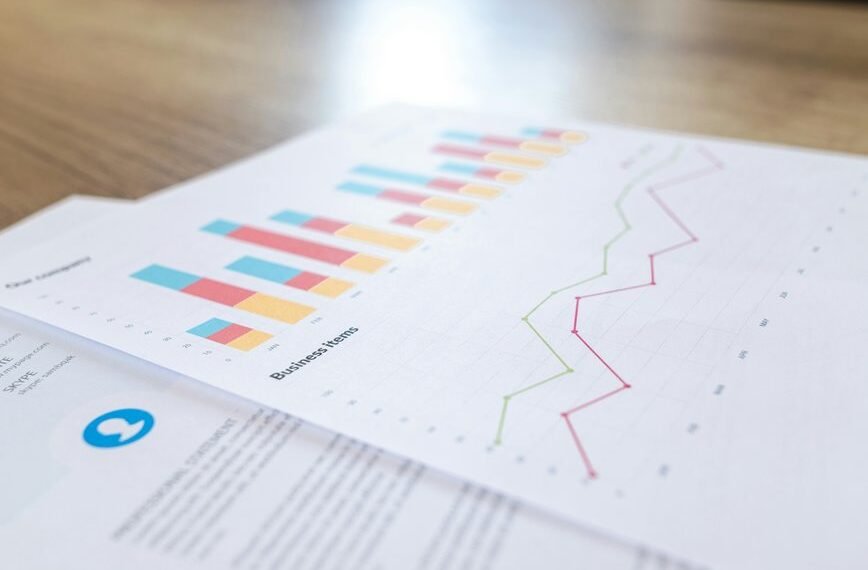
Employing data visualization techniques enhances understanding, while identifier mapping facilitates the correlation of diverse data sets. This analysis enables businesses to identify trends, optimize targeting strategies, and make informed decisions that align with market demands and consumer preferences.
Strategies for Effective Market Intelligence Consolidation
Effective consolidation of market intelligence requires a strategic approach that integrates insights derived from various data sources.
Key strategies include data integration for seamless access, information synthesis to derive actionable insights, and trend identification to inform decision-making.
Stakeholder collaboration enhances the relevance of findings, while careful tool selection and process optimization ensure efficient workflows, ultimately leading to a robust market intelligence framework.
Leveraging Insights for Competitive Advantage
While many organizations collect vast amounts of data, the true challenge lies in effectively leveraging these insights to create a competitive advantage.
By focusing on competitive insights, companies can utilize data leverage to identify market trends, optimize resource allocation, and enhance decision-making processes.
This strategic application of knowledge not only fosters innovation but also positions organizations favorably against their competitors in a dynamic marketplace.
Conclusion
In conclusion, the monumental task of consolidating market intelligence for identifiers such as 2127065131 and 8198159965 transcends mere data merging; it becomes a colossal engine propelling organizations into uncharted territories of insight and innovation. By harnessing the power of demographics, purchasing behaviors, and geographic trends, businesses can unlock unparalleled competitive advantages. This strategic synthesis not only fosters rapid growth but also transforms stakeholders into agile pioneers, adept at navigating the ever-evolving market landscape with extraordinary finesse.