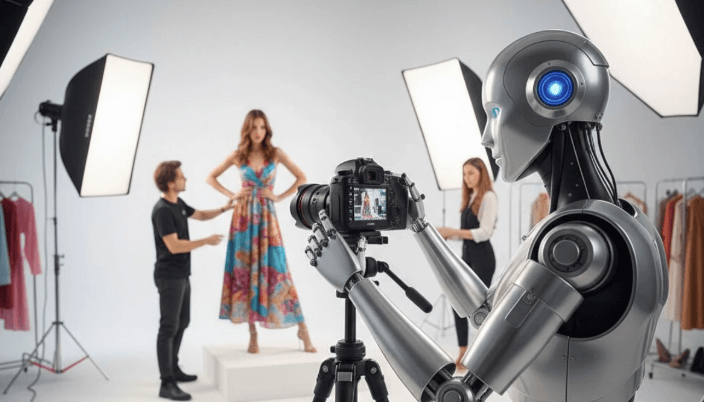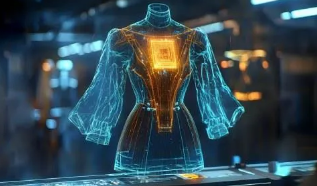
The apparel industry is undergoing an unprecedented technological shift, moving away from flat, static imagery and embracing immersive, dynamic three-dimensional ecosystems. At the heart of this transformation is 3D clothing visualization—a suite of advanced rendering, physics, and simulation technologies that allow digital garments to look, move, and react exactly like their physical counterparts.
What began as a novel tool for avant-garde digital artists has quickly matured into an industry-wide standard. From reducing sample-making waste in the design room to powering interactive virtual try-on experiences in e-commerce, the evolution of 3D visualization is completely restructuring how garments are conceived, validated, and sold worldwide.
1. Demystifying the Tech: How 3D Clothing Design Software Works
Achieving lifelike 3D garment visualization requires a complex intersection of 2D pattern geometry, 3D computer graphics, and real-time physics engines. Unlike standard 3D modeling programs used in gaming or animation (which often sculpt objects as rigid, hollow meshes), professional-grade 3D clothing design software models clothing the same way it is constructed in real life: panel by panel.
┌────────────────────────┐ ┌────────────────────────┐ ┌────────────────────────┐
│ 1. 2D Vector Patterns │ ───> │ 2. Virtual Sewing Lines│ ───> │ 3. Real-Time 3D Simulation│
│ (DXF/CAD flat shapes)│ │(Stitching pieces together)│ │ (Draped on active avatar) │
└────────────────────────┘ └────────────────────────┘ └────────────────────────┘
The process begins by importing or drafting accurate 2D vector patterns. The software then utilizes a “virtual sewing” tool to define how these flat shapes connect to one another. Once the sewing lines are established, a physics simulation engine is activated, pulling the pieces together and draping them over a 3D digital avatar.
Democratization Through Accessible Software
Historically, these advanced capabilities were locked behind high enterprise paywalls, restricting access to major fashion conglomerates. However, the rise of cloud computing and open-access ecosystems has triggered a wave of accessible, highly functional options.
Emerging designers, students, and independent creators can now leverage powerful, browser-based, or free 3D clothing design software online. These tools offer robust rendering pipelines, pre-built avatar libraries, and intuitive user interfaces that let anyone visualize a garment concept instantly, bypassing the steep learning curves and financial barriers of the past.
2. The Core of Realism: High-Fidelity Digital Fabric
A 3D simulation is only as believable as the material it represents. If a heavy denim jacket bends like thin silk, or a lightweight chiffon dress drapes like rigid cardboard, the visual illusion fails. To bridge this gap, modern visualization relies on incredibly precise digital fabric modeling.
Creating a true-to-life digital textile involves capturing two distinct categories of data:
Physical Performance Data
To mimic real-world behavior, fabrics undergo physical stress testing using specialized testing units. These devices measure mechanical values such as weight, thickness, warp/weft stretch, bending resistance, and friction coefficients. When these numbers are loaded into a software’s fabric physics property engine, the virtual garment gains the mathematical intelligence required to wrinkle, crease, and stretch naturally as the underlying avatar moves.
Optical Presentation Data
High-fidelity visualization demands hyper-realistic surface textures. Advanced optical scanning technologies capture the complex textures, weaves, and subtle details of textiles under multiple lighting angles. This data generates high-resolution maps that define the fabric’s appearance:
- Diffuse Maps: The base color or print pattern.
- Normal/Bump Maps: The micro-texture of the thread weave, giving the fabric structural depth.
- Specular/Roughness Maps: How the surface reflects light, distinguishing a matte cotton from a high-shine satin.
By combining physical performance with optical accuracy, digital fabric platforms provide designers with a massive, cloud-based library of realistic textiles. This allows them to swap materials instantly during design reviews without waiting for physical fabric swatches to arrive.
3. Commercial Impact: Elevating E-Commerce and Retail
The commercial applications of 3D clothing visualization extend far beyond the internal design studio. It is fundamentally altering the consumer retail experience, solving one of online shopping’s oldest hurdles: fit and touch uncertainty.
┌────────────────────────────────────────────────────────┐
│ The Retail Visualization Shift │
├───────────────────────────┬────────────────────────────┤
│ Traditional E-Commerce │ Static 2D Studio Photos │
├───────────────────────────┼────────────────────────────┤
│ Future-Facing Retail │ Interactive 3D Try-On │
└───────────────────────────┴────────────────────────────┘
Interactive Virtual Showrooms and Try-Ons
By embedding 3D rendering engines directly into web browsers and mobile apps, brands can offer interactive product pages. Shoppers are no longer limited to a few static images; they can rotate a garment 360 degrees, zoom in closer to inspect individual fabric threads, and see how a garment drapes in motion.
Furthermore, virtual try-on software allows users to input their personal measurements to generate a customized avatar. This lets buyers visualize exactly how a specific size will fit their unique body shape.
Drastic Reductions in Return Rates
For e-commerce brands, high return rates due to incorrect sizing or unmet expectations are a massive financial and environmental drain. Providing clear, highly accurate 3D fit maps—which visually flag tight or loose zones via intuitive color overlays—empowers consumers to make informed purchasing choices. This data-driven transparency directly improves buyer confidence, boosts overall conversion rates, and reduces costly retail returns.
4. Sustainability and the Closed-Loop Supply Chain
The traditional apparel supply chain is notoriously wasteful, frequently requiring up to four or five physical sample iterations for a single garment style. Each iteration demands raw material sourcing, pattern cutting, overseas shipping, and eventual disposal once rejected.
[Traditional Pipeline] ──> [Make Sample] ──> [Ship] ──> [Fit Check] ──> [Reject & Repeat Wastefully]
[3D Digital Pipeline] ──> [Virtual Design] ──> [Digital Tweaks] ──> [Approve] ──> [Produce Once]
By shifting to a fully digital workflow, the future of fashion looks significantly cleaner:
- Zero-Sample Approval: Design teams can review, edit, and approve collections using photorealistic 3D renders, eliminating the need for physical sample iterations.
- On-Demand Digital Assortments: Brands can showcase complete seasonal lines to wholesale buyers or digital shoppers before entering production, ensuring they only manufacture products that have verified purchase intent.
- Streamlined Production Files: Once a 3D garment is finalized, its exact 2D pattern data and fabric specifications can be sent directly to automated cutting machines, creating an efficient link between digital concept and final production.
As 3D visualization tools grow more accessible, fast, and accurate, they cease to be an optional luxury. Instead, they form the digital foundation of a sustainable, efficient, and responsive global fashion industry.
See also: Luxury Staircase Design Company in Sweden for Bespoke Interiors
Frequently Asked Questions (FAQs)
What makes 3D clothing design software different from standard 3D modeling programs?
Standard 3D modeling tools (like Blender or Maya) sculpt shapes as static, hollow structures primarily for visual appearance in games or films. 3D clothing design software functions through a physics-based simulation approach. It takes flat 2D vector panels, applies realistic textile metrics, and virtually “sews” them together onto a digital model, accounting for gravity, fabric weight, tension, and body movement.
Do I need a powerful computer to run online 3D clothing design software?
Not necessarily. While traditional, desktop-based 3D engines require high-end graphics cards (GPUs) and processors, modern cloud-based web platforms run complex rendering and simulation calculations on remote servers. This allows users to design, manipulate, and view high-fidelity 3D garments smoothly directly inside standard web browsers on everyday laptops.
How is a real fabric converted into a digital fabric?
A real fabric is transformed into a digital asset through physical and optical scanning. Specialized testing equipment measures how the physical fabric bends, stretches, and shears under stress. Simultaneously, high-resolution optical scanners capture the exact weave patterns, color profiles, and surface reflectivity, blending this data into a digital file that looks and reacts like the original textile.
Can 3D clothing visualization actually help lower clothing return rates?
Yes, significantly. A major driver for e-commerce returns is poor fit or a mismatch between online photos and reality. Interactive 3D visualization allows shoppers to see garments from every angle, view fabric movement, and utilize personalized body avatars to see exactly where an item will fit tightly or loosely, resulting in fewer sizing mistakes.