Modern homes are changing. Many people no longer want rooms that look too perfect. They want spaces that feel calm, warm, and real.
This is why The Rising Appeal of Wabi-Sabi in Modern Interiors is getting so much attention. Wabi-sabi is a simple design idea from Japan. It finds beauty in natural marks, rough textures, soft colors, and things that feel lived in.
A wabi-sabi home does not try to hide every crack or uneven edge. It allows a room to feel honest. It helps people slow down and enjoy simple beauty.
Why Wabi-Sabi Feels Right for Modern Homes
Many modern homes are full of shiny finishes and perfect lines. They can look nice, but sometimes they feel cold. Wabi-sabi adds softness to these spaces.
It brings in calm colors, natural shapes, and handmade details. It makes a room feel peaceful without making it look empty.
This style works well because people want homes that feel less busy. They want a break from screens, noise, and fast living. Wabi-sabi gives them that feeling.
It also helps people accept small flaws. A worn wooden table, a rough clay vase, or an uneven wall can still look beautiful. These details make the space feel human.
To understand this style better, many homeowners and designers explore Wabi-Sabi Art because it shows how quiet beauty can come from texture, age, and simple forms.
Key Design Elements of Wabi-Sabi Interiors
Wabi-sabi design is not about buying many items. It is about choosing fewer pieces with more meaning. Every item should feel useful, calm, or personal.
Common wabi-sabi elements include:
- Natural wood
- Stone and clay
- Linen and cotton
- Soft neutral colors
- Handmade pottery
- Rough wall textures
- Simple art pieces
- Low and warm lighting
The color palette is often gentle. Think of beige, cream, soft gray, brown, sand, clay, and muted black. These colors help the room feel grounded.
Texture is very important. A smooth plastic chair may not fit the mood. A wooden bench with grain and marks feels more natural.
Walls can also play a big role. Many people use limewash, plaster, or textured paint. These surfaces add depth without loud patterns.
Art is another strong part of the look. A piece of Black Textured Wall Art can add quiet drama while still keeping the space simple and balanced.
How Wabi-Sabi Creates a Calmer Room
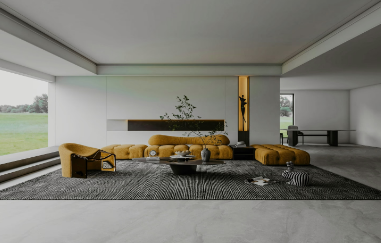
A wabi-sabi room feels calm because it does not fight for attention. It uses soft shapes, open space, and natural materials.
There is less clutter. This does not mean the room must be bare. It means the items in the room should have a clear reason to be there.
A calm wabi-sabi room may include:
- One large painting instead of many small ones
- A simple sofa with linen fabric
- A wooden coffee table with natural marks
- A clay bowl on a shelf
- A soft rug in a warm tone
- A plant with an organic shape
Light matters too. Soft light makes rough surfaces look warm. It also makes the room feel more relaxed.
This style is useful for bedrooms, living rooms, and reading corners. These are places where people want to rest. Wabi-sabi helps the mind feel less crowded.
It also works in busy family homes. You do not need every object to be perfect. Small marks from daily life can become part of the home’s story.
Easy Ways to Add Wabi-Sabi Style at Home
You do not need to redesign your whole home at once. Small changes can create a wabi-sabi feeling.
Start with one room. Pick a space where you want more peace. This could be your bedroom, living room, or entry area.
Try these simple steps:
- Remove items you do not use
- Add one natural material, like wood or clay
- Choose soft, earthy colors
- Use warm lamps instead of harsh light
- Add one textured art piece
- Keep shelves simple
- Let some empty space remain
Do not rush the process. Wabi-sabi grows over time. It is not a style that needs to be finished in one day.
You can also reuse old items. A worn chair, an old bowl, or a faded rug may fit the style well. These pieces often have more charm than new items.
The goal is not to make your home look poor or unfinished. The goal is to make it feel honest, warm, and peaceful.
See also: Luxury Staircase Design Company in Sweden for Bespoke Interiors
FAQ
What does wabi-sabi mean in interior design?
Wabi-sabi means finding beauty in simple, natural, and imperfect things. In home design, it often uses soft colors, rough textures, handmade items, and calm spaces.
Is wabi-sabi the same as minimalism?
No. They are similar, but not the same. Minimalism focuses on less stuff and clean lines. Wabi-sabi also values less clutter, but it adds warmth, age, texture, and natural flaws.
What colors work best for a wabi-sabi room?
Earthy colors work best. Good choices include beige, cream, brown, gray, clay, soft black, and muted green. These shades help the room feel calm.
Can wabi-sabi work in a modern apartment?
Yes. Wabi-sabi works very well in apartments. You can use natural fabrics, simple furniture, textured wall art, warm lighting, and a few handmade pieces.
Do I need expensive items for wabi-sabi design?
No. Wabi-sabi is not about high cost. It is about meaning, texture, and balance. Even simple or old items can look beautiful when placed with care.
Conclusion
The Rising Appeal of Wabi-Sabi in Modern Interiors shows that people want homes with more feeling. They no longer want every room to look perfect and cold.
Wabi-sabi gives a home quiet charm. It welcomes natural marks, simple forms, soft colors, and honest textures. It also helps people slow down and enjoy the space around them.
This design style is easy to start. You can remove clutter, add natural materials, choose warm light, and bring in art with texture. Small steps can change the whole mood of a room.
A wabi-sabi home does not need to impress everyone. It only needs to feel real, peaceful, and right for the people who live there.